4 November 2026
|11:39 am
|Aanetic Advisory Editorial
Looking for low-budget SOC 2 certification? Aanetic helps startups achieve SOC 2 compliance with cost-effective solutions and expert guidance.
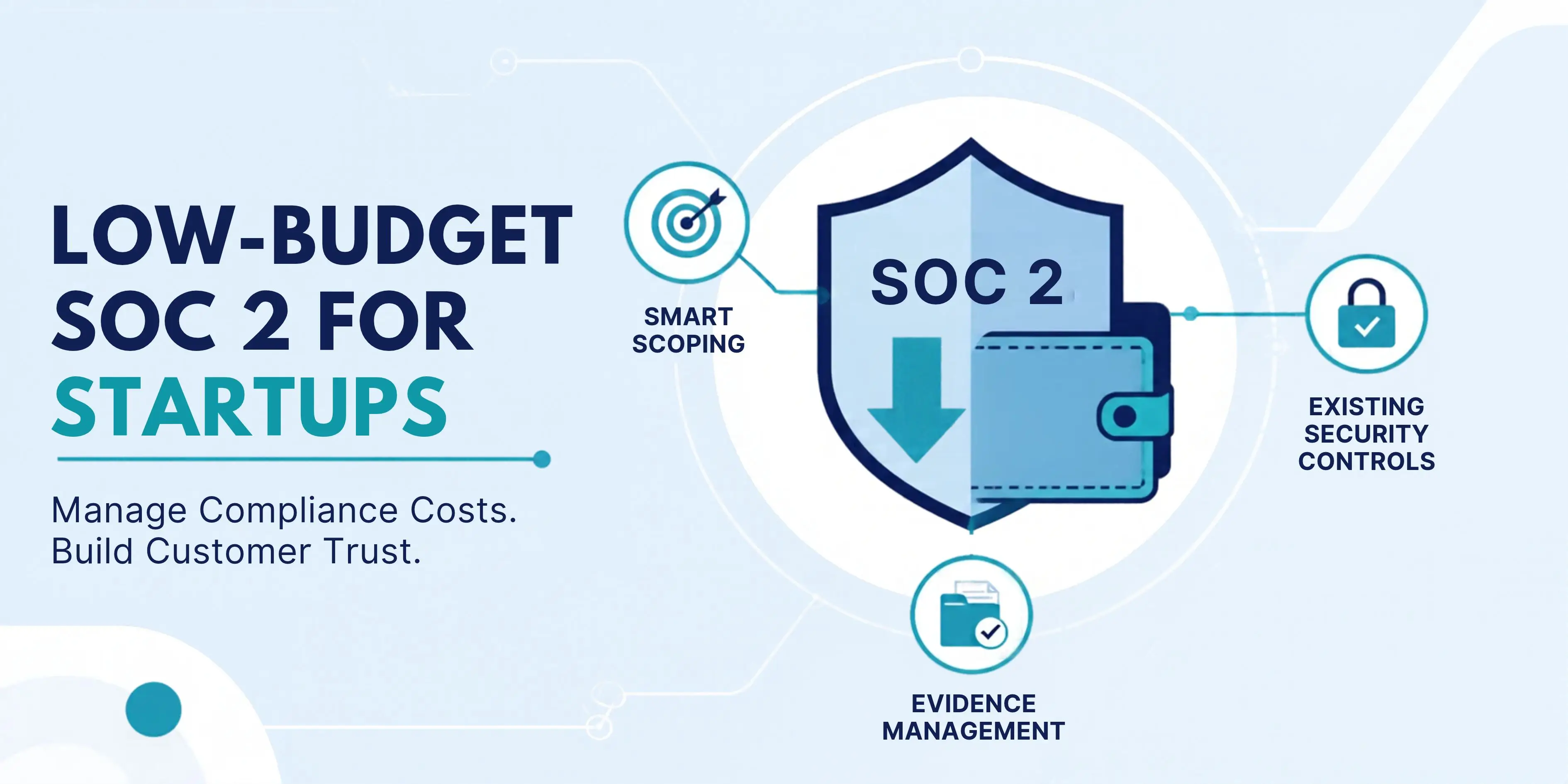
Low-budget SOC 2 Certification for Startups is achievable as a cost-management goal when businesses plan carefully, assess existing security controls, and select an appropriate scope of examination. The objective is to reduce avoidable expenses, not skip necessary security measures or examination procedures.
Indian SaaS companies, fintech businesses, cloud service providers, and technology startups may need SOC 2 reports to address enterprise customer requirements. However, early-stage businesses often have limited budgets, small teams, and competing product priorities.
A practical approach combines existing resources, clear responsibilities, targeted improvements, and transparent professional support. This helps startups manage preparation without compromising the controls required for a credible report.
There is no universal SOC 2 cost for startups in India. Provider quotations can cover different services, so businesses should understand the components before comparing prices.
Common expenses include:
Certification and gap assessment: Reviewing existing controls, defining scope, and identifying outstanding work.
Security implementation: Addressing relevant weaknesses in access management, monitoring, policies, or incident response.
Compliance software: Subscriptions for evidence collection, task tracking, policy management, or monitoring.
Independent auditor fees: Charges for the examination and reporting engagement.
Employee time and training: Internal effort required to operate controls and provide evidence.
Infrastructure improvements: Changes needed to support security commitments.
Ongoing maintenance: Monitoring controls and retaining evidence after the initial engagement.
The total investment depends on company size, technology environment, existing control maturity, examination scope, and selected report type. Request itemized quotations rather than relying on a single advertised price.
SOC 2 Type 1 evaluates whether relevant controls are suitably designed and implemented at a specific point in time. It may suit a startup seeking an initial assessment when its customers accept this report type.
SOC 2 Type 2 evaluates the design and operating effectiveness of controls over a defined examination period. It requires evidence showing how relevant controls operate throughout that period.
Type 1 may involve a narrower evidence window, but it is not automatically the right or cheapest option. If a customer requires Type 2, choosing Type 1 solely to reduce expenses may result in additional work.
A low-budget approach cannot remove the examination period or evidence of requirements associated with Type 2. Confirm customer expectations before selecting a report.
Startups can manage avoidable expenses through several practical decisions:
Define the scope: Include systems and services relevant to the business rather than expanding the examination unnecessarily.
Reuse existing controls: Review current policies, access processes, and security tools before purchasing replacements.
Select relevant criteria: Consider the organization's services, commitments, and risks.
Prioritize important gaps: Address meaningful weaknesses rather than buying tools that do not solve the identified problem.
Assign control owners: Give each activity a responsible person and clear evidence expectations.
Maintain evidence regularly: Keep appropriate records as controls operate, rather than reconstructing them later.
Automate suitable tasks: Use software when it reduces repetitive work and fits the business.
Compare complete proposals: Review scope, exclusions, deliverables, and fees rather than headline prices.
These steps can reduce duplicated effort and improve budget visibility. They do not justify skipping safeguards, creating inaccurate evidence, or avoiding required examination procedures.
Begin by identifying the systems, applications, data, vendors, and important business processes involved in delivering your service. This creates a clearer foundation for defining examination scope.
Review user access, permissions, approvals, and employee onboarding and offboarding. Establish suitable risk assessment, incident response, vendor management, and change management practices. Review backup arrangements and document relevant security policies.
Assign internal control owners according to existing roles. A founder, engineering lead, or operations manager may coordinate responsibilities in a smaller organization. The team does not necessarily need a large compliance department, but accountability must remain clear.
Build controls that match actual operations instead of copying large-enterprise processes. Policies should be practical, followed consistently, and supported by appropriate evidence.
An affordable SOC 2 provider should explain what its services include and how they address your requirements. Evaluate:
Experience with startups and SaaS environments.
Clear scope and defined deliverables.
Transparent pricing and additional-cost explanations.
Practical remediation recommendations.
Documentation and evidence collection support.
Familiarity with relevant security frameworks.
Clear separation between certification consulting and independent auditing.
Ask whether the quotation includes consulting, software, independent auditor fees, and follow-up work. Understand exclusions before signing an agreement.
Be cautious of unusually low quotations that leave out essential activities or promise guaranteed reports. The lowest initial price may not offer the best overall value.
Aanetic provides cybersecurity, GRC, and compliance support for businesses preparing for SOC 2 certification. A structured certification approach can help startups understand their current security posture and identify areas requiring attention.
Depending on the organization's requirements, support may include reviewing existing controls, identifying gaps, organizing documentation, coordinating evidence collection, and prioritizing remediation.
A practical preparation plan should reflect the startup's systems, business commitments, team capacity, and security maturity. This helps founders and technical teams understand the work involved before committing resources.
Certification assistance is separate from the independent examination. The independent service auditor evaluates the agreed controls and issues the SOC 2 report.
Low-budget SOC 2 Certification for Startups should mean managing expenses carefully, not reducing essential security work. Suitable scoping, existing-control assessment, clear internal ownership, regular evidence management, and transparent service proposals can help businesses avoid unnecessary costs.
Start by understanding customer expectations and reviewing your current security practices. Then select certification support and an independent examination arrangement that match your actual requirements.
Planning SOC 2 for your startup? Connect with Aanetic to understand your certification gaps and explore a practical compliance approach aligned with your business requirements.
Yes. Startups can manage costs through appropriate scoping, existing control reviews, internal ownership, and careful provider selection. They must still implement relevant safeguards, maintain evidence, and complete the required independent examination.
Need enterprise guidance on PCI DSS, SOC 2, or RBI compliance frameworks?
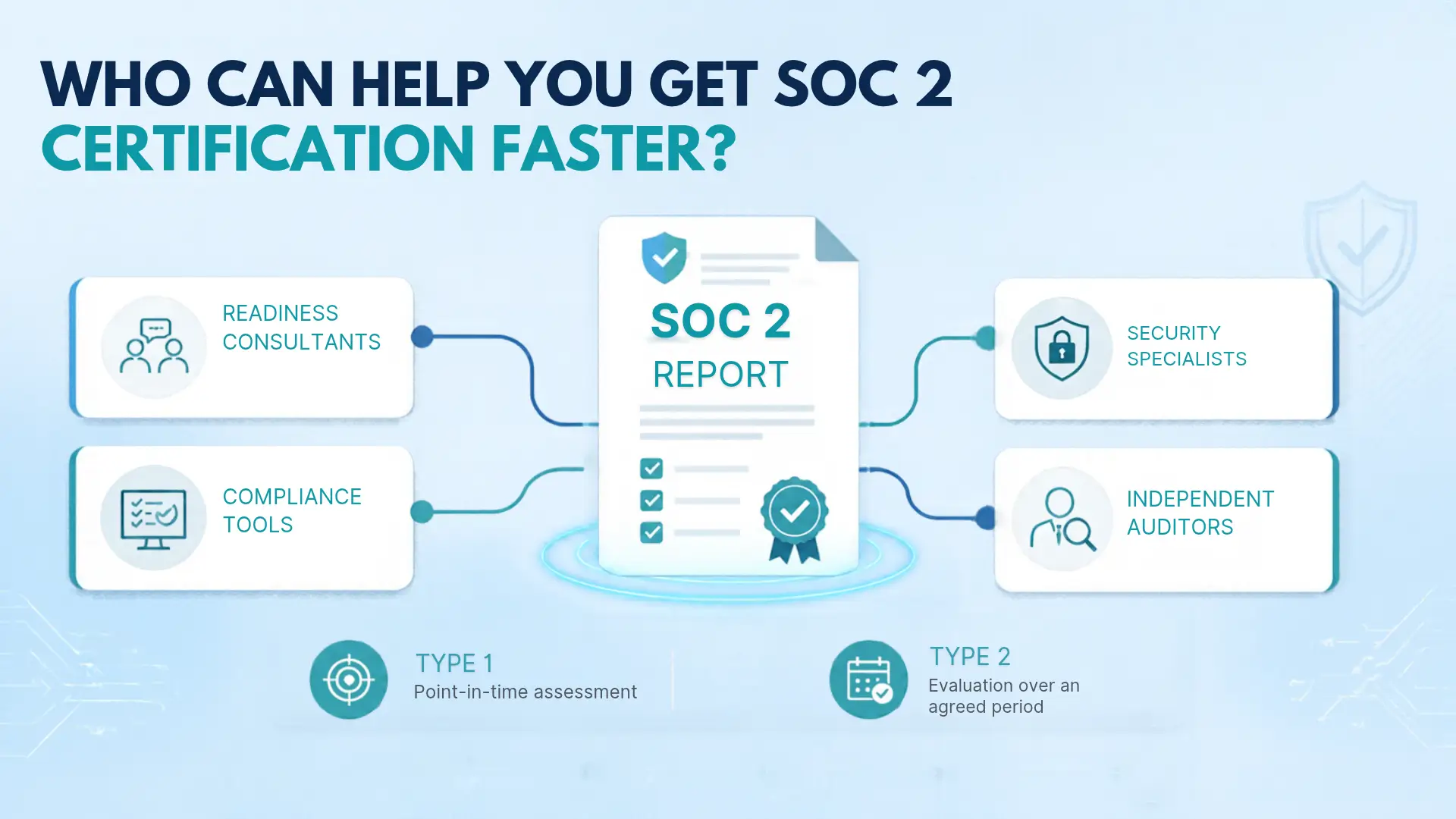
Looking for faster SOC 2 certification? Explore how the right compliance provider can simplify audits, reduce delays, and accelerate your SOC 2 journey.
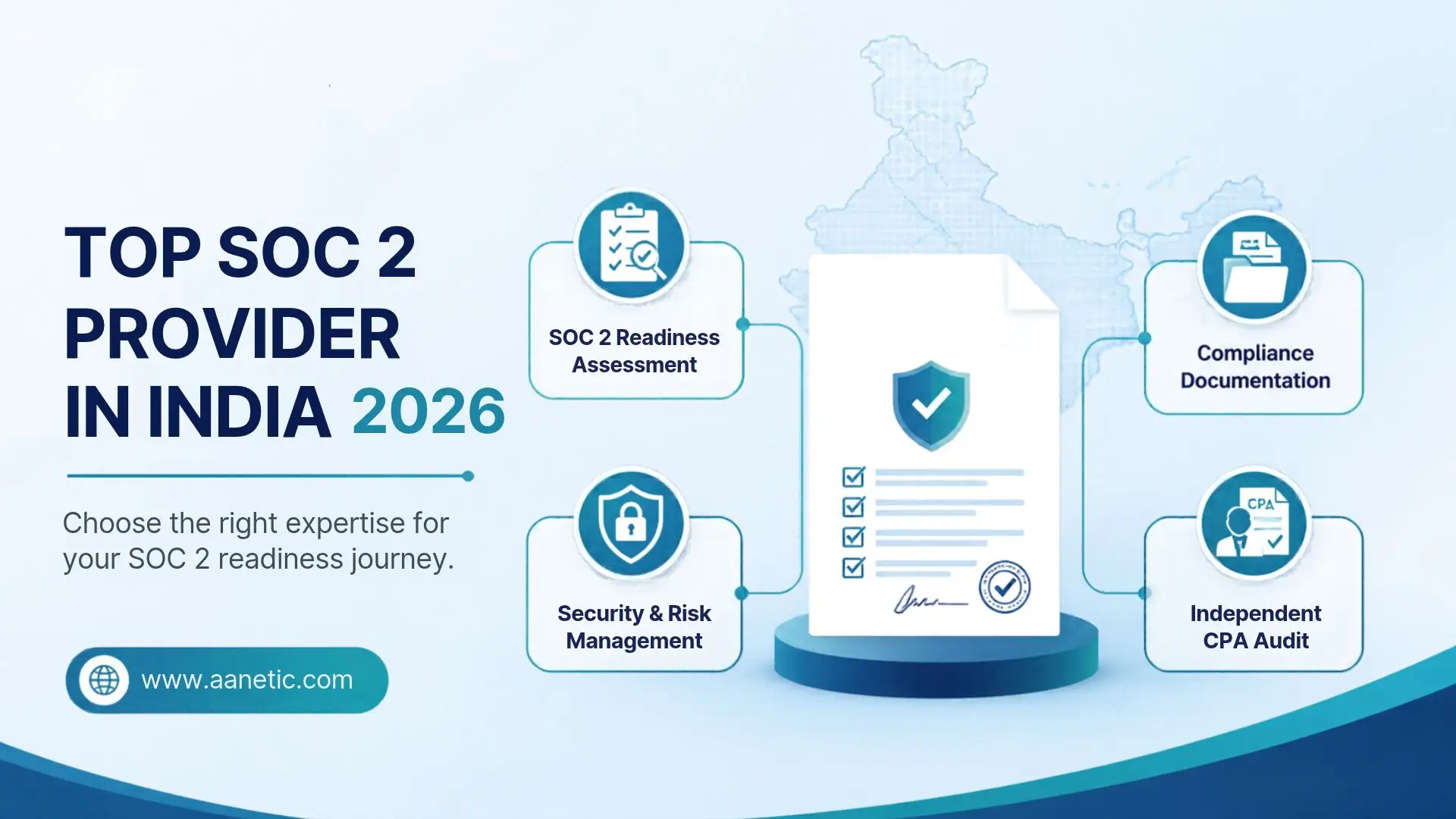
Looking for the top SOC 2 certification provider in India in 2026? Learn how Aanetic streamlines SOC 2 Type 1 and Type 2 readiness and audit support for SaaS.
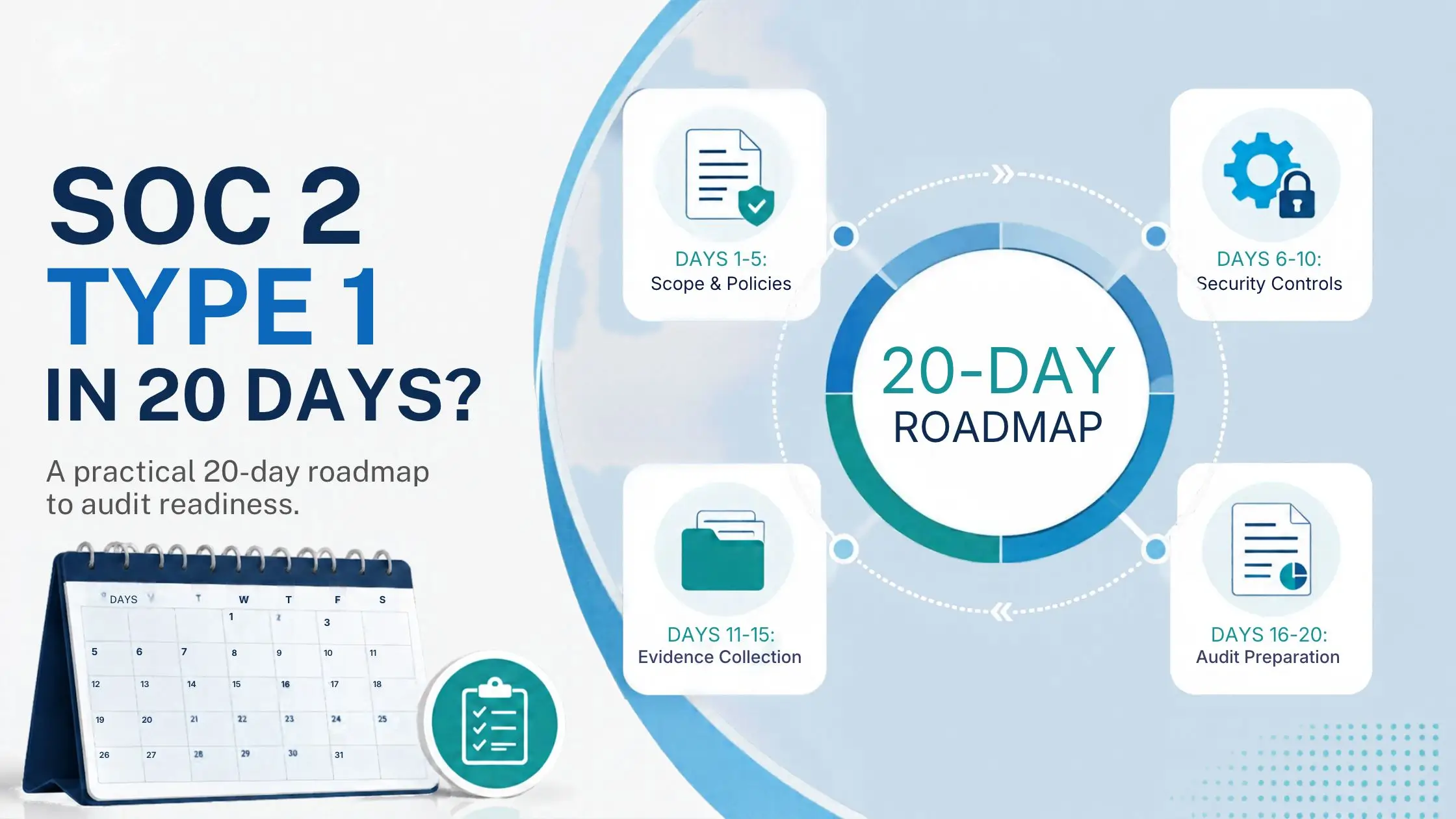
Fast-track your SOC 2 Type 1 audit readiness in 20 days. Learn how Aanetic streamlines scoping, policies, and technical evidence to unblock enterprise sales.